Are Suppressors Legal in North Carolina? NC Suppressor Laws

David Higginbotham
Interest in suppressor ownership has boomed this year, mostly because of the repeal of the $200 fee associated with the NFA tax stamp. That’s left many in North Carolina looking at picking up their first can. This guide is a great place to start for those with questions about suppressor ownership in the Tar Heel state.
At a Glance: North Carolina Suppressor Ownership
Legality: 100% Legal — Civilian ownership is legal under the N.C. Gen. Stat. § 14-288.b(5) exception for individuals who comply with federal NFA regulations.
Hunting: Allowed Statewide — Legal on public Game Lands and private property for all game, non-game, and varmints (N.C. Gen. Stat. § 113-291.1).
State Permits: None Required — No state-level registration, extra permits, or state fees.
Federal Stamp: $0 Tax Fee — ATF Form 4 eForms registration and background check are mandatory, but the historical $200 tax fee was eliminated in 2026.
Allowed Filing Types: Individual, NFA Gun Trust, LLC, or Corporation.
Vehicle & Transport Rule: Duty to Inform — State law (N.C. Gen. Stat. § 14-415.11) requires concealed handgun permit holders carrying concealed to promptly inform law enforcement officers during official stops.
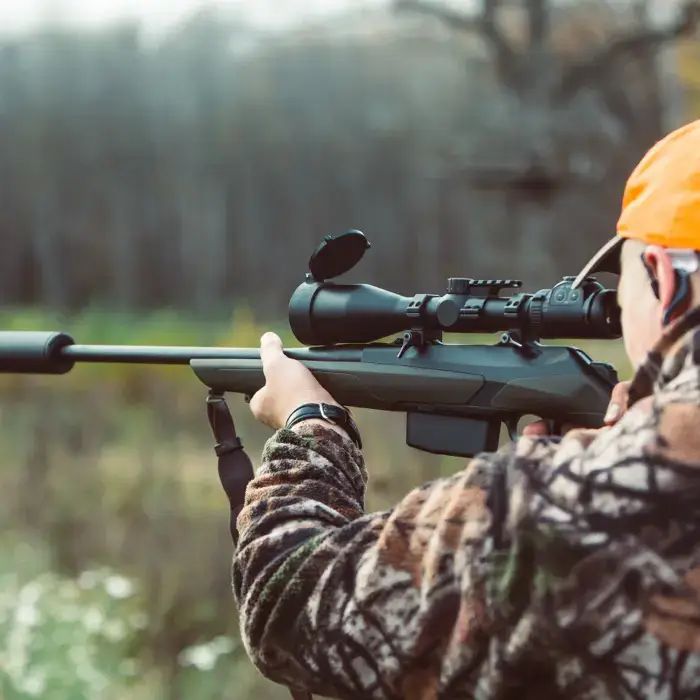
Are Suppressors Legal in North Carolina?
Yes—and the legal path to owning one is as clean as it gets. If that’s all you’re here for, you get some reading time back. I’d suggest a deep-dive into the SilencerCo catalog. If you want more nuance and detail, read on!
North Carolina suppressor laws for 2026 follow a familiar pattern for gun-friendly states: comply with federal law and North Carolina’s legal obligations are met. There are no additional state permits, no separate NC registration, and no extra fees. When the ATF approves your Form 4 application, you’re good.
North Carolina’s statute that covers suppressors is worth understanding, though. While most of it will appear familiar, how the state classifies suppressors is, to put it mildly, odd.
North Carolina General Statute § 14-288.8(c)(3)
Let’s begin with the familiar verbiage.
- N.C. Gen. Stat. § 14-288.8(c)(3) defines weapons of mass death and destruction as: “Any firearm capable of fully automatic fire, any shotgun with a barrel or barrels of less than 18 inches in length or an overall length of less than 26 inches, any rifle with a barrel or barrels of less than 16 inches in length or an overall length of less than 26 inches, any muffler or silencer for any firearm, whether or not such firearm is included within this definition.”
Most of us think of a suppressor as an accessory, but it is legally a firearm classified under North Carolina’s definition of “weapons of mass death and destruction.”
However, N.C. Gen. Stat. § 14-288.8(b)(5) carves out a clear, explicit exception stating that the law does not apply to “Persons who lawfully possess or own a weapon as defined in subsection (c) of this section in compliance with 26 U.S.C. Chapter 53, §§ 5801-5871.”
In short, if you follow federal regulations under the National Firearms Act (NFA), you are fully protected under state law.
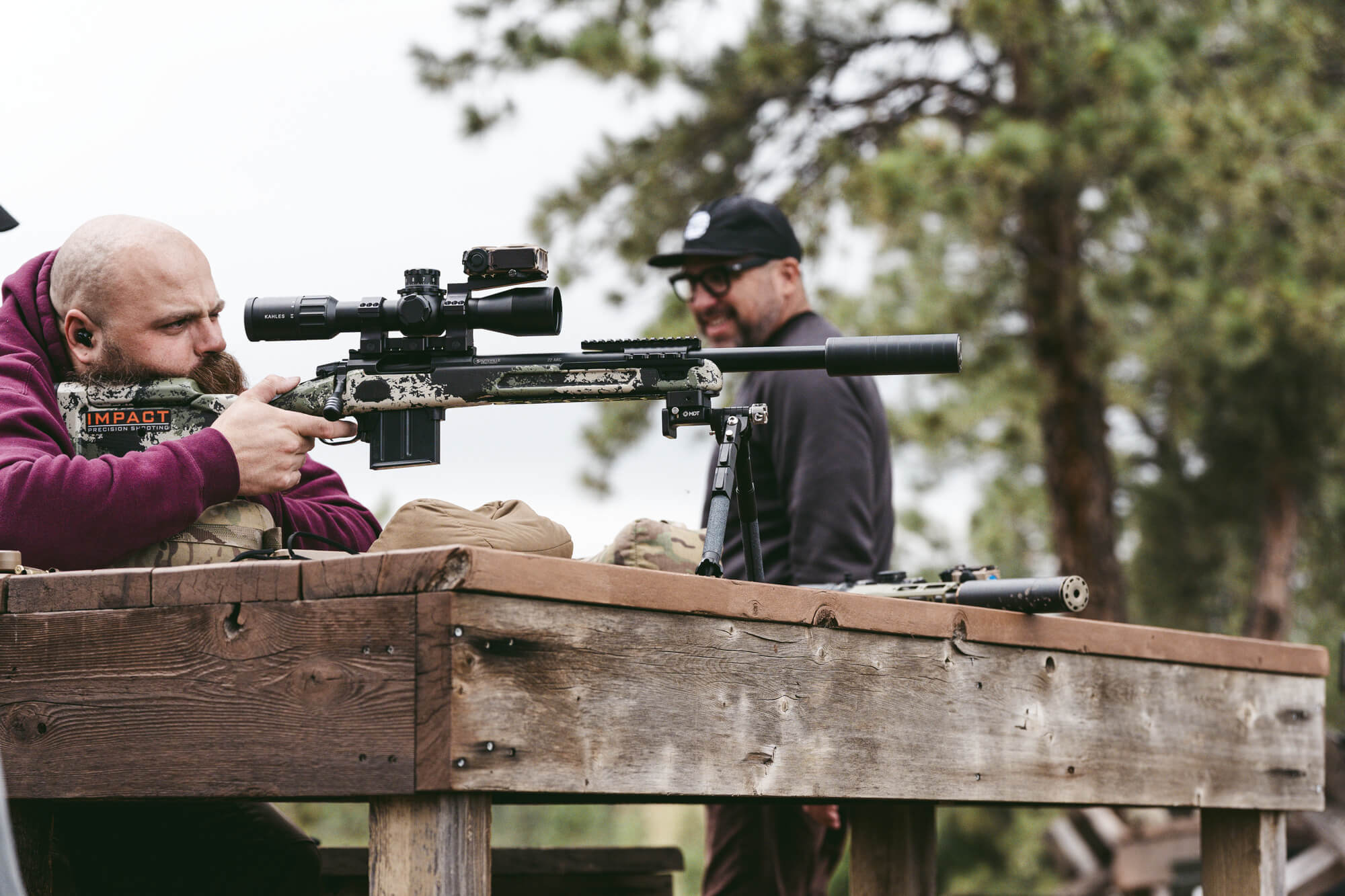
North Carolina State Suppressor Laws
As is always the case, there are some nuances worth calling out:
Prohibited persons. N.C. Gen. Stat. § 14-415.1 prohibits firearm possession by convicted felons. Additional restrictions apply to those subject to domestic violence protective orders and individuals adjudicated incompetent. These restrictions apply to suppressors, too.
Age requirements. Federal law sets the standard: you must be 21 years or older to purchase a suppressor from a licensed dealer. North Carolina follows this rule to the letter.
State preemption. NC has strong statewide preemption under N.C. Gen. Stat. § 14-409.40, which generally prohibits cities, counties, or municipalities from regulating possession, ownership, transfer, etc., of firearms (and this includes suppressors). In practice, this means local rules rarely complicate suppressor ownership, but it’s worth researching your specific local ordinances, too.
Duty to Inform
There is one practical detail worth noting when traveling with firearms in North Carolina. The state maintains a “Duty to Inform” law (N.C. Gen. Stat. § 14-415.11). This requirement applies specifically to individuals holding a concealed handgun permit who are carrying a concealed handgun.
Note that as of 2026, North Carolina still requires a permit for concealed carry. If you are carrying a concealed handgun or traveling with firearms and are approached by a law enforcement officer in an official capacity (such as a routine traffic stop), you are required to inform the officer that you are armed.
When traveling with a suppressed firearm in your vehicle, playing it safe is a solid best practice. Calmly informing the officer early in the interaction—“Officer, I am traveling with a legally registered firearm and suppressor in the vehicle”—sets a transparent, professional tone and ensures everyone stays comfortable.
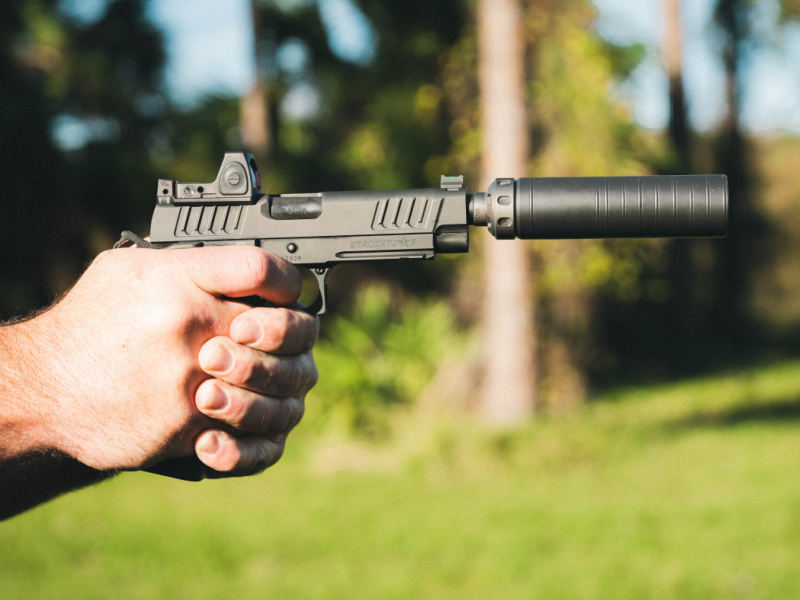
NFA Registration Requirements for NC Residents
The federal process is the process. North Carolina adds nothing to it. Here’s where things stand in 2026:
The $200 tax stamp fee is gone. The One Big Beautiful Bill Act (P.L. 119-21), signed into law in 2025, eliminated the $200 transfer tax for suppressors, SBRs, and SBSs, effective January 1, 2026. For Any Other Weapons (AOWs), the historical $5 transfer tax was also eliminated. The tax stamp itself still exists, but the fee is simply zeroed out.
Form 4 registration requirements remain. Removing the fee did not repeal the NFA. You still file ATF Form 4, still submit to a background check, and still wait for approval before taking possession.
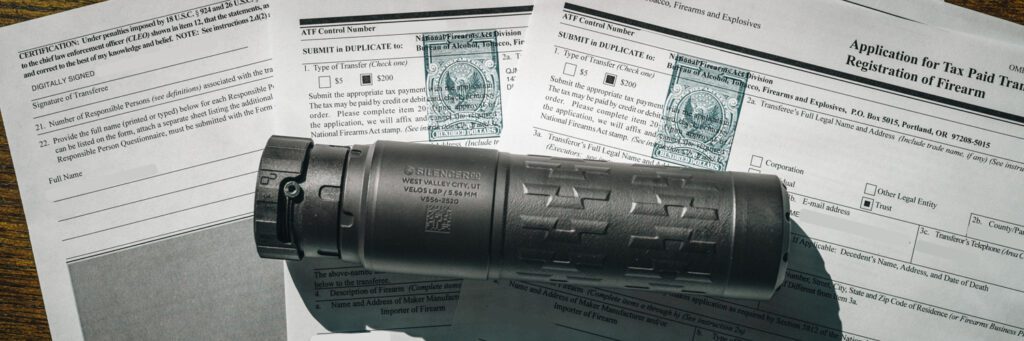
How to Legally Buy a Suppressor in North Carolina
Buying a suppressor in the Tar Heel State is a streamlined, highly efficient process thanks to modern eForms submission. Here is the step-by-step workflow:
- Pick Your Suppressor: Select a suppressor tailored to your rifle, shotgun, or handgun. If you need a lightweight titanium can built for mountain hunting, the ultra-light SilencerCo Scythe-Ti is a standout choice. For an all-around multi-caliber rifle setup, the SilencerCo Omega 300 DT remains an industry favorite.
- Find a Local Dealer: Use the official SilencerCo Dealer Locator to locate a NFA/Class 3 dealer near you in North Carolina.
- Select Your Ownership Structure: Decide whether to register as an Individual or through an NFA Gun Trust. Setting up a trust allows family members or co-trustees to legally possess and use the suppressor.
- Submit Fingerprints & Photo: Visit your local dealer to capture digital fingerprints and a passport-style photo, linking them directly to your ATF eForms account.
- Certify & Submit Form 4: Electronically sign your ATF Form 4. Because the transfer tax is now $0, you will skip the old tax payment step entirely.
- Notify CLEO: As part of the ATF Form 4 submission, a copy of your application will automatically be sent to your Chief Law Enforcement Officer (CLEO) for notification purposes.
- Pick Up Your Suppressor: Once the ATF approves your Form 4 application, head back to your dealer, fill out a standard Form 4473, and take your silencer home.
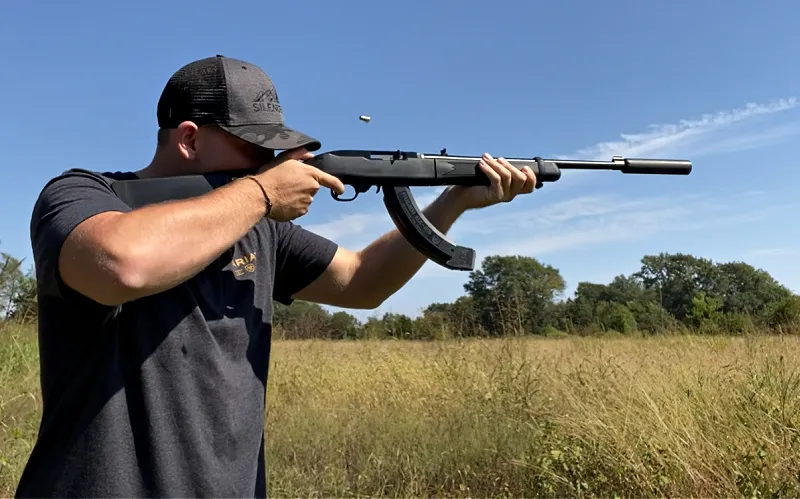
Can You Hunt with a Suppressor in North Carolina?
Yes—and North Carolina is a state where hunting suppressed is fantastic. The Appalachians are full of black bear and whitetail. Feral hogs are running wild in the Piedmont. Waterfowl hunting along the coast is world-class. Predators and varmints run statewide.
And, since restrictions were officially lifted by the state legislature back in 2013 under Session Law 2013-369 (effective October 1, 2013), North Carolina has been part of the long list of destinations where hunting suppressed is completely legal.
Under NCWRC rules, hunters can legally use suppressors on both private lands and public Game Lands throughout the state.
Suppressors are permitted during all applicable firearm seasons. They are allowed on most public game lands and Wildlife Management Areas unless specifically posted otherwise. North Carolina even permits hunting hogs and predators at night.
N.C. Gen. Stat. § 113-291.1(c)(2) outlines the rules enforced by the North Carolina Wildlife Resources Commission (NCWRC):
“It is a Class 1 misdemeanor for any person taking wildlife to have in his possession any… Weapon of mass death and destruction as defined in G.S. 14‑288.8, other than a suppressor or other device designed to muffle or minimize the report of a firearm or short‑barreled rifle that is lawfully possessed by a person in compliance with 26 U.S.C. Chapter 53 §§ 5801‑5871.”
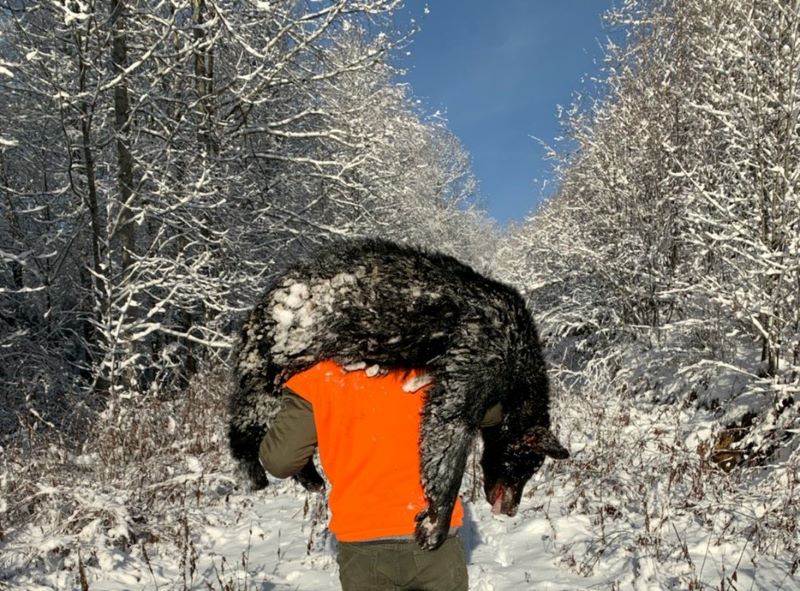
NC Suppressor FAQ
Are suppressors legal in North Carolina?
Yes. Suppressors (silencers) are 100% legal for private civilian ownership and use in North Carolina for anyone who can legally own a firearm and complies with federal NFA requirements.
Are silencers legal in NC for hunting?
Yes. Under N.C. Gen. Stat. § 113-291.1 and NC Wildlife Resources Commission regulations, hunters can legally use suppressors for taking big game (whitetail deer, black bear), small game, and non-game species like feral hogs and coyotes.
How to buy a suppressor in North Carolina?
Select your suppressor, visit a local Class 3 FFL dealer (or use the SilencerCo Dealer Finder), decide on an Individual or Trust filing, submit digital biometrics via ATF eForms Form 4, ensure CLEO notification is complete, and take ownership upon ATF approval.
Do I need a special state permit to own a suppressor in NC?
No. North Carolina does not require any state-level permits, extra licenses, or state registration to purchase or possess a suppressor.
Do I need a suppressor license in North Carolina?
No. There is no such thing as a “suppressor license” at either the state or federal level for individual owners. You simply need to complete the standard federal NFA ATF Form 4 approval process.
How much does a suppressor tax stamp cost in NC in 2026?
The federal NFA transfer tax stamp fee is $0. Following 2026 federal budget updates, the $200 tax fee was eliminated, though ATF Form 4 eForms registration and background checks remain mandatory.
Ready to Get Started?
What are you waiting for? North Carolina is one of the most straightforward states around. And now, with no fee for the tax stamp, ownership is easier than ever.
David Higginbotham