Quick Detach Suppressor vs. Direct Thread: Pros and Cons

Travis Pike
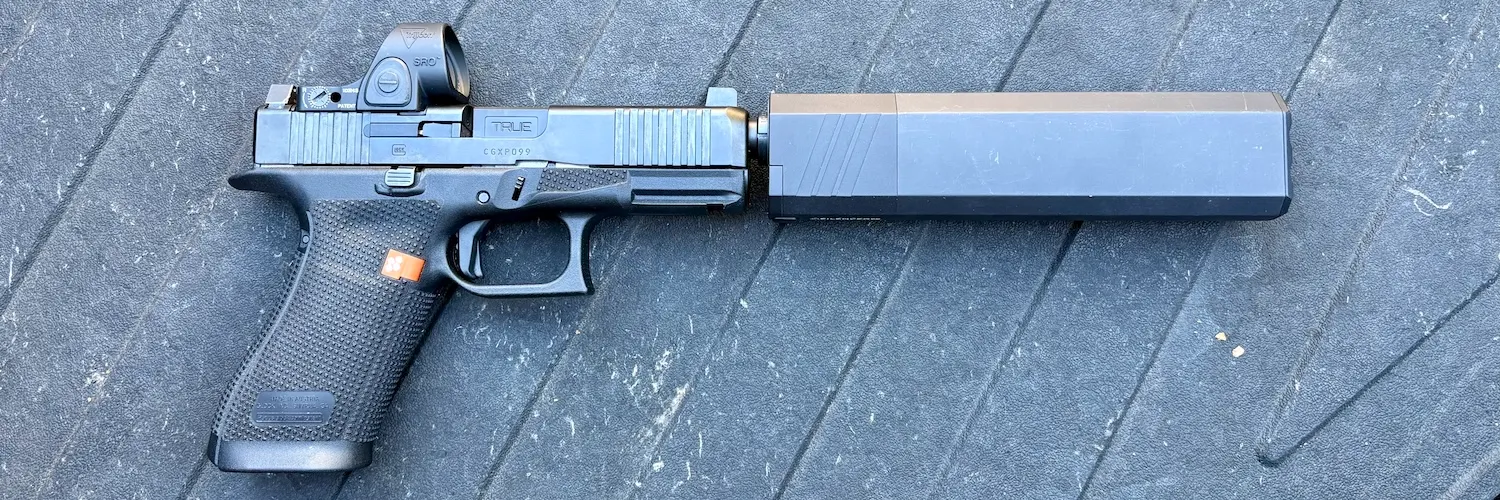
Should you run a quick detach suppressor or direct thread setup? The answer is personal to every shooter and comes down to how many hosts you plan to shoot with and what you value most at the end of your barrel.
Direct thread is lighter, simpler, and tends to be the best choice when a suppressor lives full-time on a single gun. Quick detach makes life easier when I want to move one can between multiple firearms. Direct thread takes time and effort to move between guns, and quick detach adds extra weight, length, and cost to your setup.
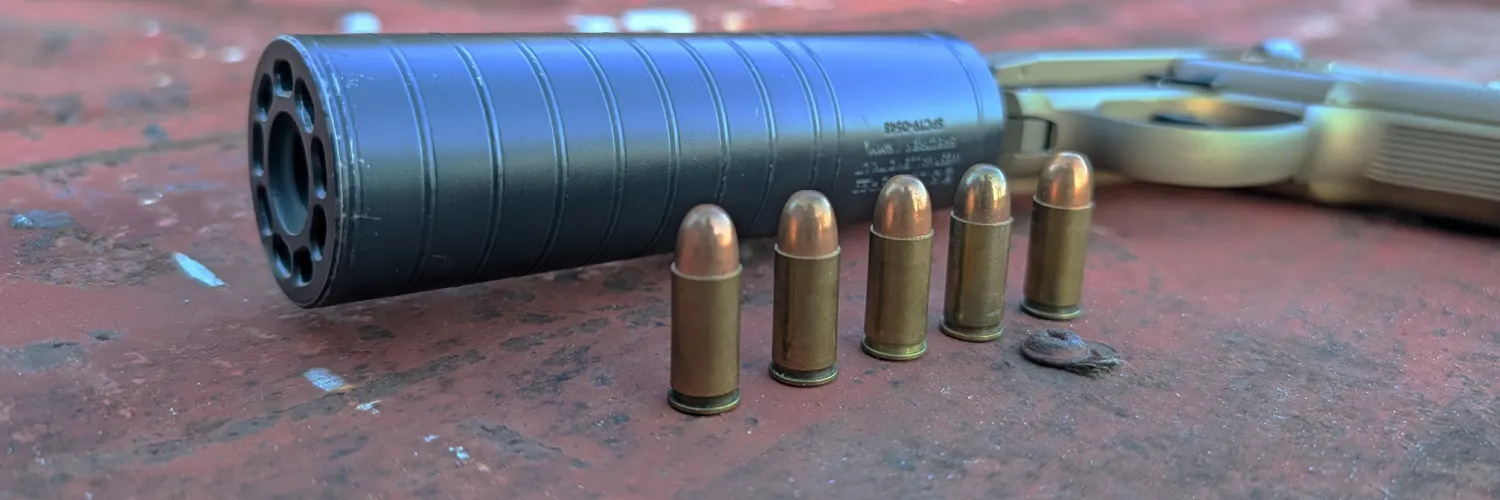
I’ve used both, extensively, on a wide variety of platforms. I still use both, but it depends primarily on my goal. When I pick up a new suppressor I go through a mental checklist to decide how I’m going to mount it. That doesn’t mean conditions might change. I initially purchased a Spectre 9 with a direct thread attachment for a PCC, but as my PCC collection grew it got the 3-Lug treatment.
What Is a Direct Thread Suppressor Mount?
Direct thread mounts are the simplest way to attach a suppressor to a firearm. Your barrel already has threads cut into the muzzle. The rear of the suppressor has matching internal threads. You align them properly and turn until it’s seated firmly on the barrel shoulder. You just need to ensure that the barrel’s thread pitch and diameter match the mount, and the mount seats correctly. (Browse SilencerCo direct thread mounts to match your barrel’s thread pitch.)
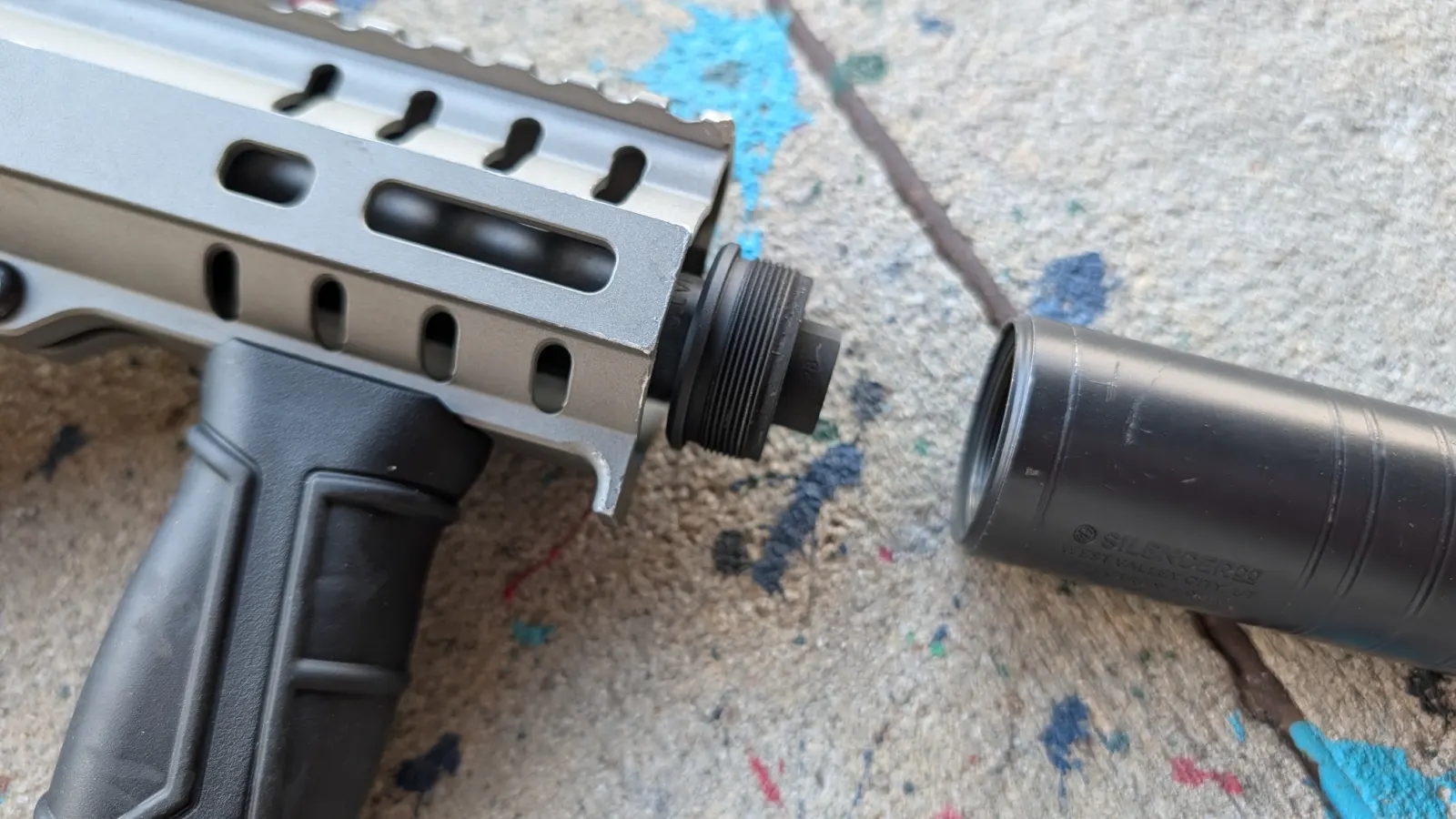
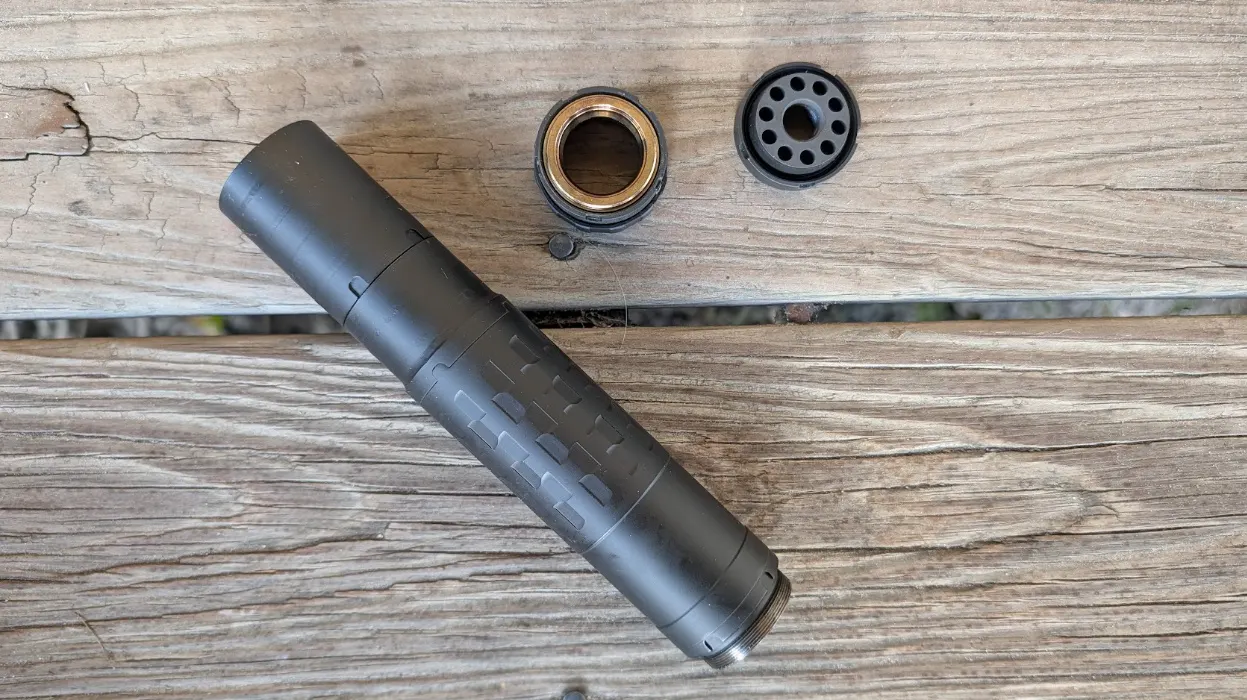
The most common threads are 1/2×28 for 5.56 and 9mm, and 5/8×24 for .30 caliber guns. This may differ, so ensure you know the exact type of threads that are at the end of your barrel. With most SilencerCo cans, the direct thread mount is a removable rear cap that threads onto the back of the suppressor tube. This allows you to swap out different thread pitches.
Direct Thread Pros
Less Weight: The old saying, ounces equal pounds and pounds equal pain becomes a reality when weight sits at the end of a barrel. Direct thread attachment doesn’t require a muzzle device and locking collar, so I get to trim a few ounces off one of the more important areas to conserve weight, the tip of the barrel.
Shorter Overall Length: Direct Thread mounts sit as close to flush as you can get. This trims anywhere from half an inch to an inch off the front of the gun. For guns meant to be short, every fraction of an inch matters.
Lower Cost: Quality costs, and when you’re using quick-attach devices, you have to pay for a quality muzzle device. Those don’t come cheap, and they can add anywhere from $90 to $150 to your suppressor’s up-front cost.
Simplicity: Anytime we introduce a new factor in how we attach suppressors to guns we start stacking tolerances. This is another interface whose alignment and compatibility must be correct.
Direct Thread Cons
It’s Slow: Remember the Spectre 9 I mentioned earlier? I’m sick of slowly twisting it off the barrel of one PCC to twist it onto the barrel of another. Admittedly the twist is novel the first few times, but gets old fast.
Can Walk Loose: Guns are handheld explosion machines and with each explosion we get vibration and movement mixed with metal getting hot and expanding. Under heavy firing sessions a direct thread suppressor can walk loose and slowly unthread itself if you aren’t paying attention.
Thread Vulnerabilities: Every time you remove a direct thread suppressor to attach it to another gun you have to be careful. Cross threading can occur and can damage both the barrel threads and rear end cap threads. We also can have carbon fouling and unburnt powder turn into sandpaper as you thread the suppressor onto the gun.
No Muzzle Device: When I remove a direct thread suppressor I’m left with a bare muzzle. No flash hider, no compensator, nothing but bare threads I have to protect.
Who Is Direct Thread Best For?
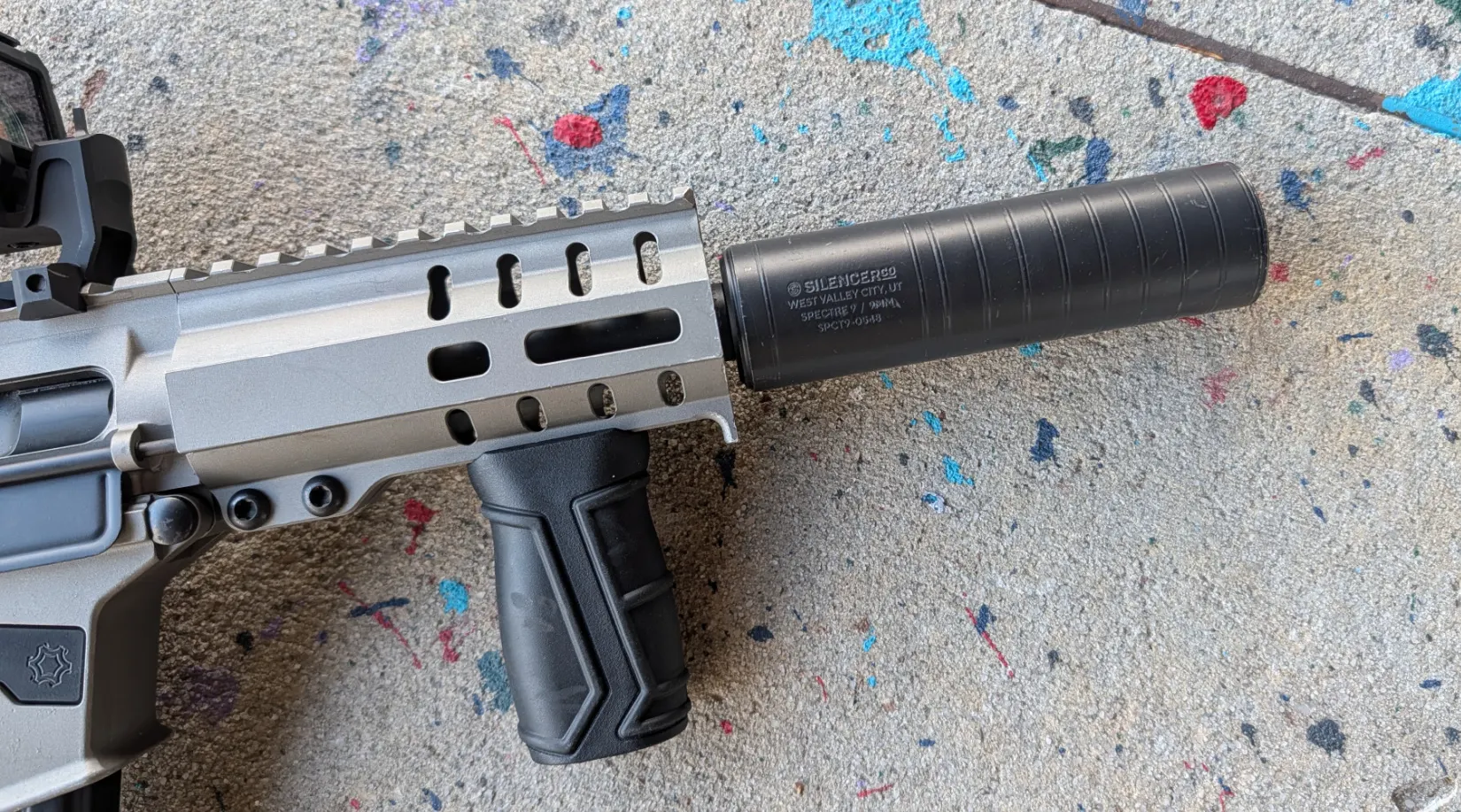
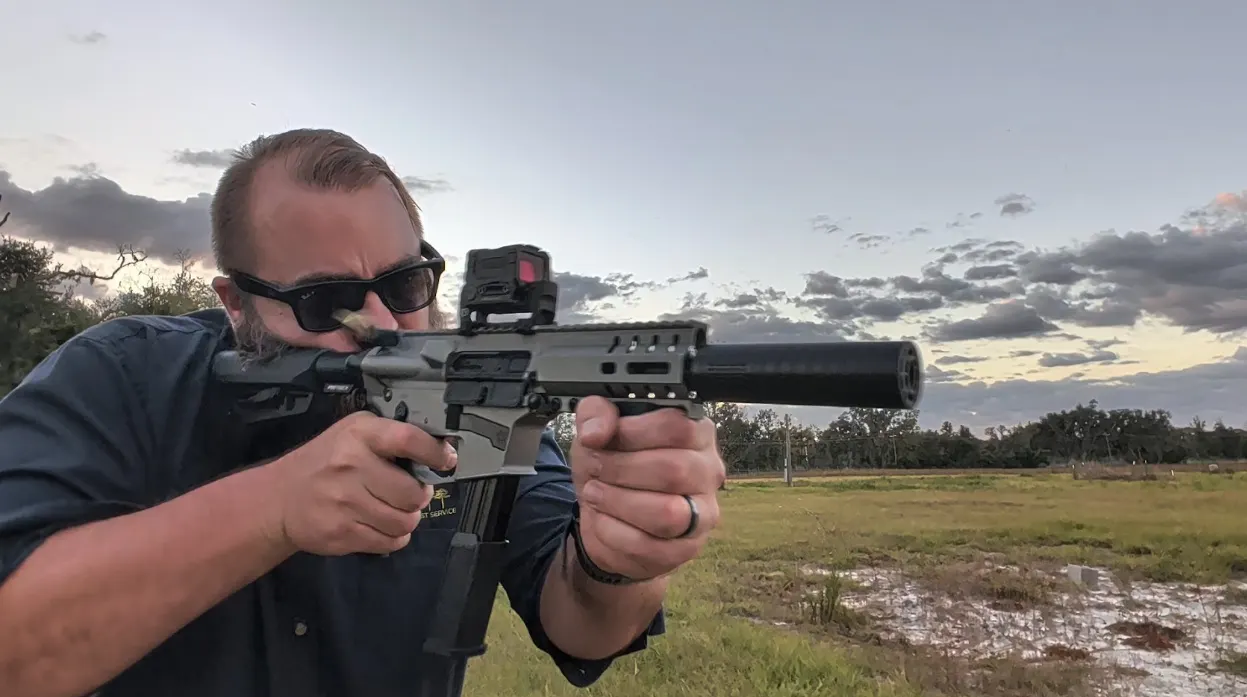
Direct thread is perfect if you want to attach a suppressor to a gun and just leave it there. It’s also handy if your goal is to keep the gun as light and short as possible. One of my favorite suppressor hosts is a CMMG Banshee in 9mm. It’s designed to be short, light and handy, so I want my can to match those needs.
The same goes for my hunting rifle. It’s already a full powered rifle with full powered heft. I don’t want to add any more weight or length to it. I want it light, easy to hold up, and easy to navigate and climb a tree stand with.
What is a Quick Detach Suppressor (QD) Mount?
A Quick Detach Suppressor setup is a two part system. When I want to attach a quick detach suppressor to my rifle I have to install a compatible muzzle device. For my ARs I’m using a Velos 556K suppressor so I strap my rifles with an ASR flash hider. It’s not strictly a permanent attachment, but it’s not something I ever remove.
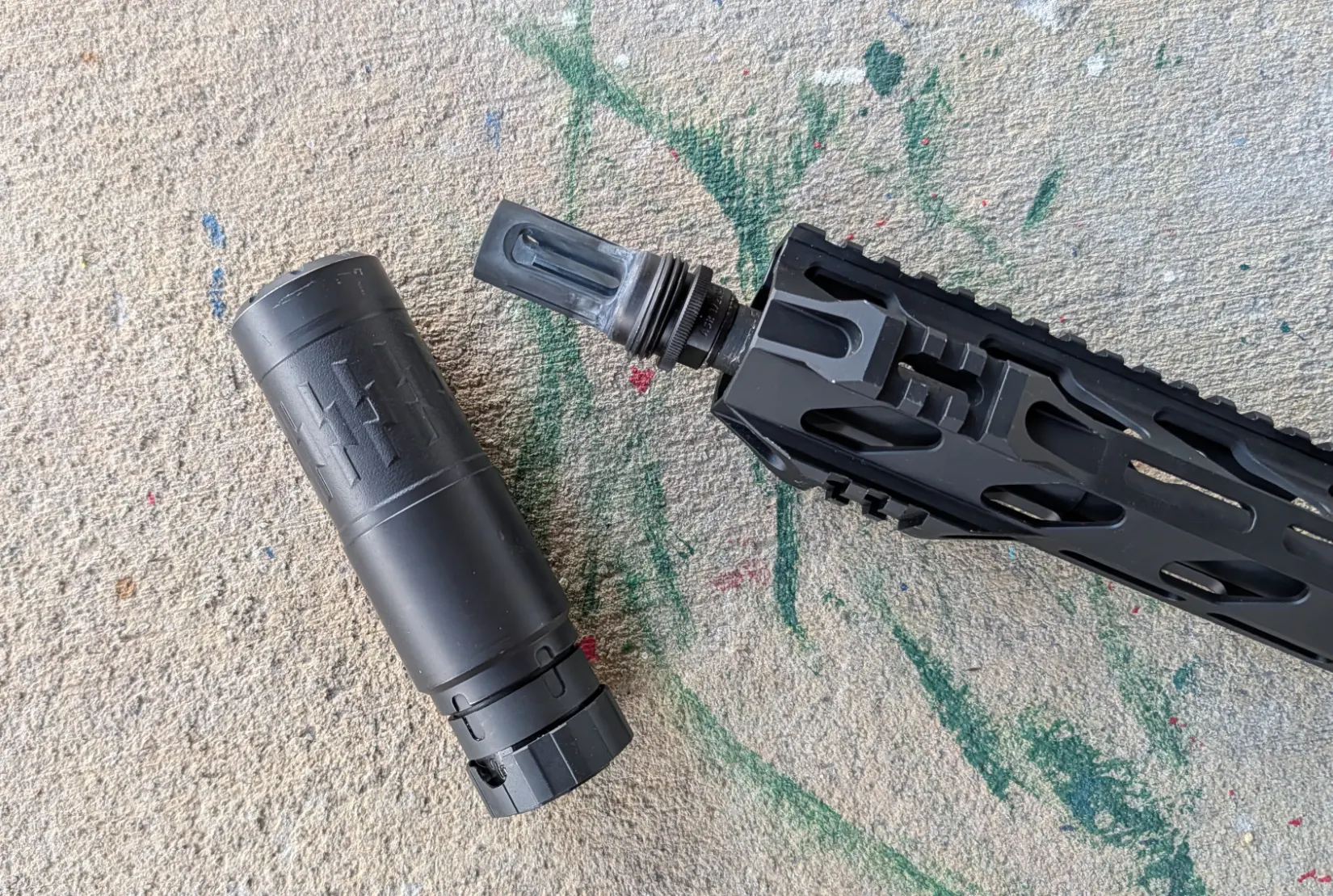
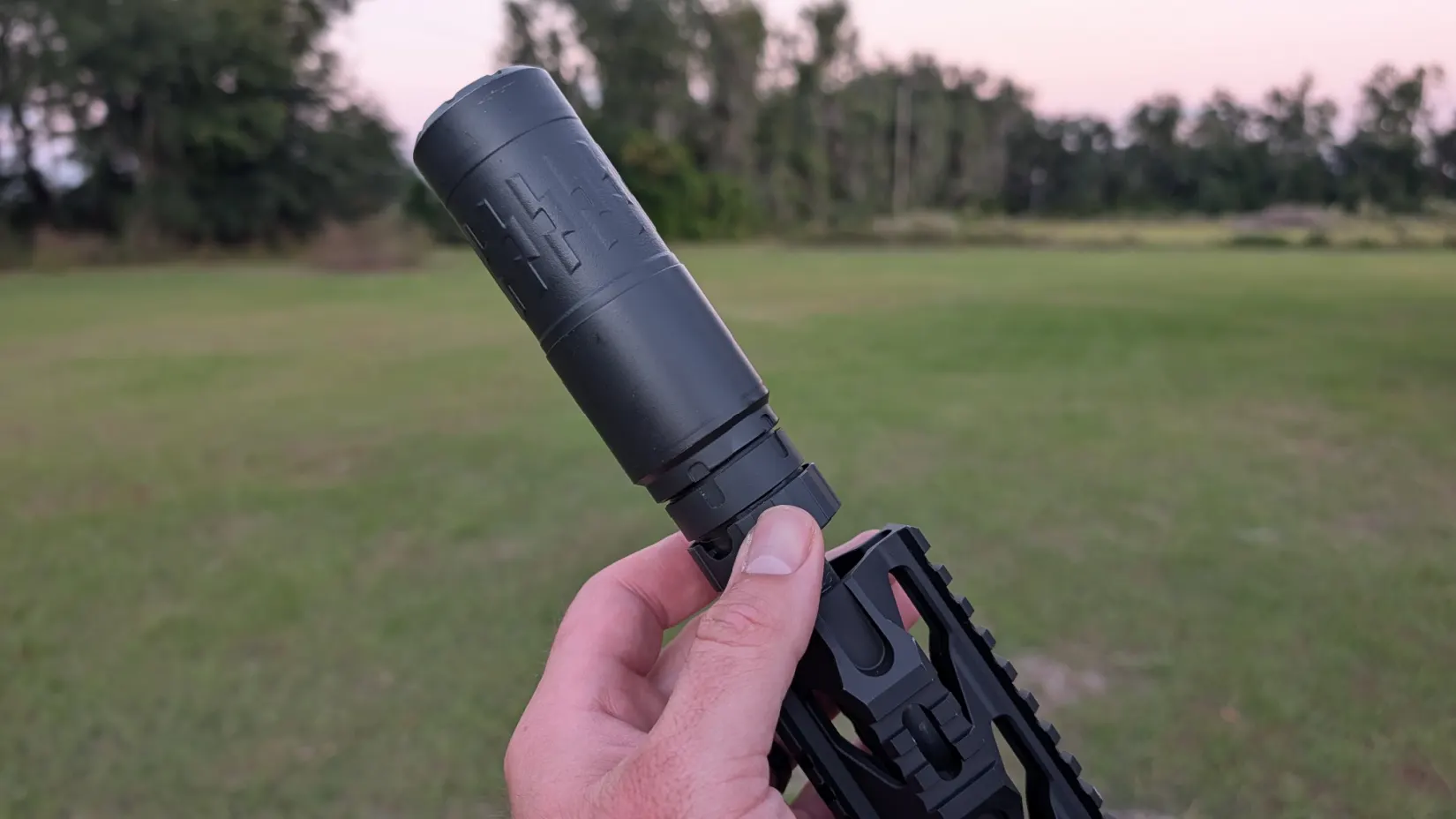
The second component is the ASR Mount which plugs into the rear of the suppressor. All I have to do is slide the can over the flash hider, give it a quick twist to seat it home on the taper, then rotate the knurled locking ring into the closed position. That’s it, it takes a few seconds and I’m up and shooting.
Quick Detach Pros
Fast On Fast Off: It only takes a few seconds to mount and dismount the suppressor. A quick twist and a flick of the locking ring and you’re good to go.
Sharing is Caring: The ability to remove a can quickly and efficiently is great if one can is pulling duty on multiple guns. It makes it easy to swap between different guns depending on what you want to shoot that day.
Secure Lock-up: That mechanical locking collar on the ASR mounts ensures a good secure lock-up on the gun. A properly installed and locked compatible QD mount is designed to resist loosening.
No Can, No Problem: If you remove the suppressor to go shoot you still have a muzzle device. No bare threads, and the potential to still use flash hiders and muzzle brakes.
Quick Detach Cons
Weight: Between the steel muzzle device and the locking hardware connected to the suppressor you’re adding anywhere from three to eight ounces of weight at the muzzle.
Length: The mount and muzzle device mean the suppressor isn’t going to sit as far back on the rifle as possible, and you can extend the length of the gun by half an inch to an inch and a half.
Higher Up Front Cost: You’ll need one QD mount for the suppressor and a muzzle device for each of the firearms you intend to suppress. This adds a bit of cost to each setup.
Who Is Quick Detach Best For?
Quick detach is the way to go if you want one suppressor to cover multiple firearms or you intend to routinely remove your suppressor from your firearm. I also really like that it locks onto the firearm so securely and won’t walk off if I want to cook off a few Magpul D60s at the range or break out an FRT.
I typically use quick detach cans with my small bore rifles. I own 5.56 rifles, 5.7 rifles, and 4.6 rifles and I like being able to move the suppressor from one to the other with ease and hit the range.
What QD Systems Are Common?
There isn’t a universal quick-detach setup. Different platforms have different needs and requirements so they have different options.
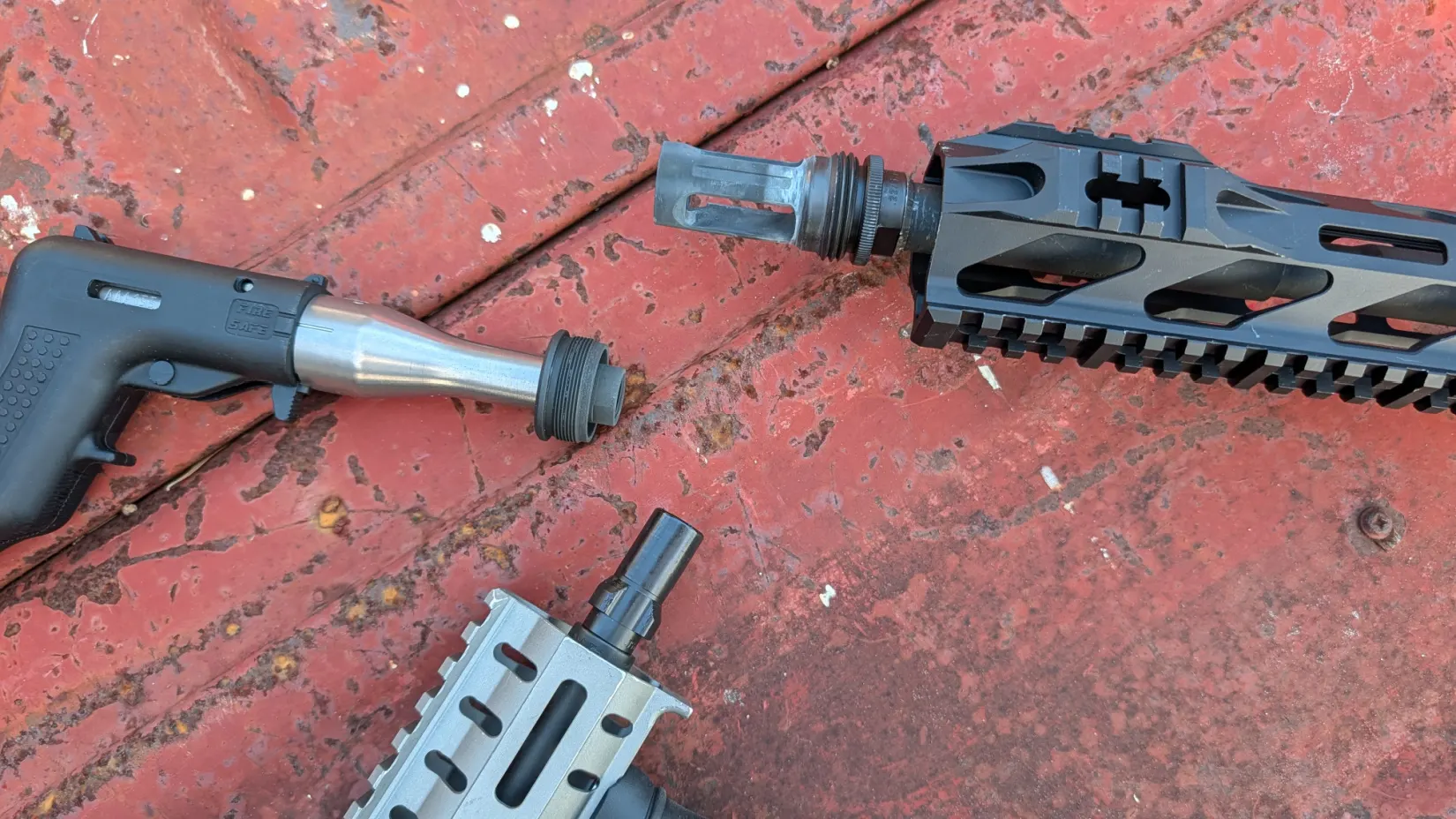
ASR (Active Spring Retention): The ASR system is built primarily for centerfire rifles. It uses coarse threads paired with a taper seal and a single-motion locking collar. The ASR system handles rifle pressures with ease and provides flash hiders, single-port brakes, and three port brakes across different calibers.
3-Lug Mounts: Pistol caliber rifles and subguns often use 3-lug mounts. A 3-Lug mount uses a spring-loaded piston inside the suppressor mount that slips over the three lugs on the muzzle device. All you have to do is press the suppressor down against the spring tension, rotate it slightly, and release it. When released it snaps into a locked position. 3-Lug mounts are only appropriate for pistol caliber pressures.
Pistons and boosters are part of the mounting decision for pistol caliber cans like the Spectre 9. Whether you need one depends on the gun you’re mounting to, so read What Is a Nielsen Device before you pick a mount.
KeyMo: KeyMo is a QD method that pairs a ratcheting collar with proprietary muzzle devices to allow rapid attachment and removal.
Direct Thread or Quick Detach: Which is Better for You?
When I’m trying to figure out if my latest suppressor will be direct thread or quick detach I weigh the gun’s design and purpose with exactly how I intend to use it. Once I have that picture in my mind I think about the metrics that matter. Those metrics being:
| Feature | Direct Thread | Quick Detach |
|---|---|---|
| Weight | Lightest Option | Heavier |
| Speed | Slow to attach/detach requiring multiple full rotations | Much faster: Attaches/detaches in seconds |
| Cost | Lowest: No extra muzzle devices required per firearm | Higher: Requires QD mount plus a dedicated muzzle device for each host |
| Carbon Lock-Up | Higher potential due to fine threads if left uncleaned. | Lower potential due to taper seal blocking most carbon and the use of coarse threads. |
| Moving Between Guns | Inconvenient between different thread pitches. Exposed bare threads. | Seamless and easy. A compatible QD system allows you to move one suppressor between multiple firearms with matching muzzle devices. |
| Return to Zero | Consistent when torqued evenly against a square barrel shoulder. | Design for repeatable alignment with taper interfaces. |
Wondering how much the mount really affects accuracy? We took a closer look at direct thread vs. ASR accuracy here.
If you’re still on the fence about which is better for you, let’s examine a few real-world scenarios.
The Multicaliber Can: One of the biggest benefits of buying a .30 cal can or something like the Hybrid 46M is that you can use it over a variety of calibers. If you’ve gone that route, life will be a lot easier if you go the quick-detach route.
The Backcountry Rifle: If you’re toting a rifle over rough terrain, every ounce matters. In this case, go direct thread.
Competition Shooting: Competition shooting can vary wildly depending on your discipline. If you’re shooting a precision rifle competition the direct thread option is likely the better choice to help improve the gun’s balance. Action shooting is more about speed and the quick-detach cans won’t back-off while shooting rapidly during a long day.
Do Direct Thread Suppressors Come Loose?
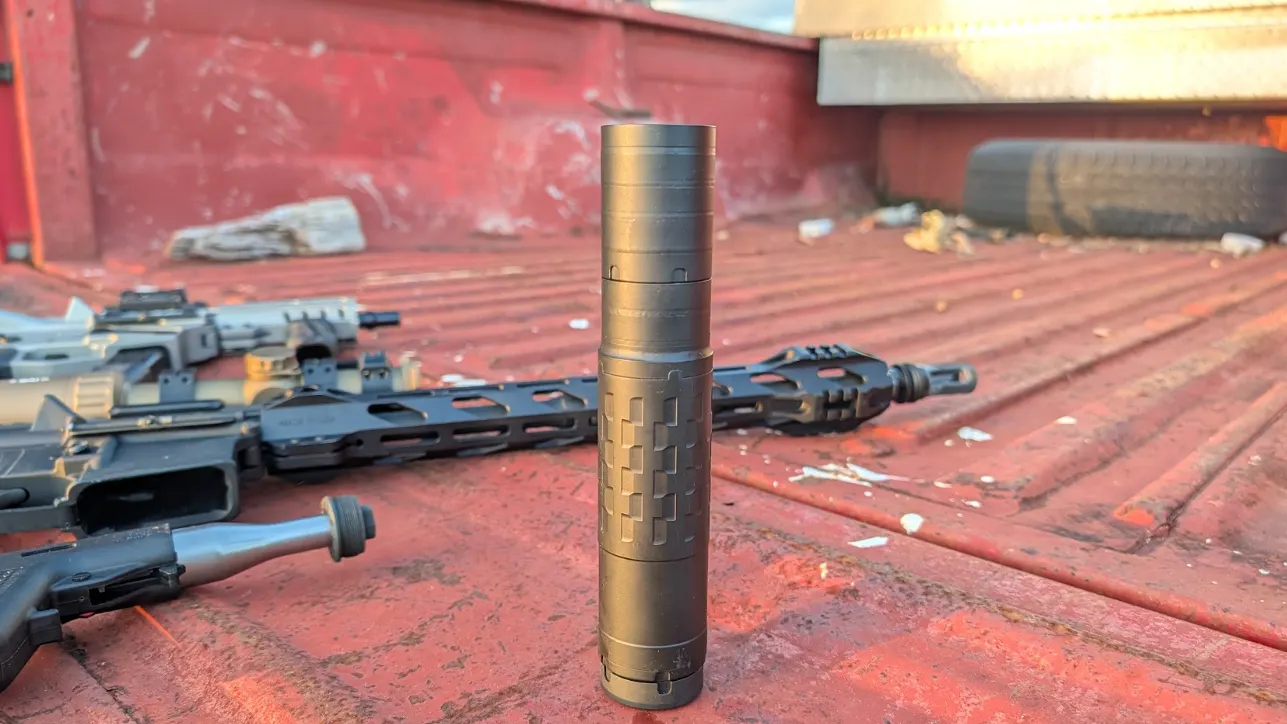
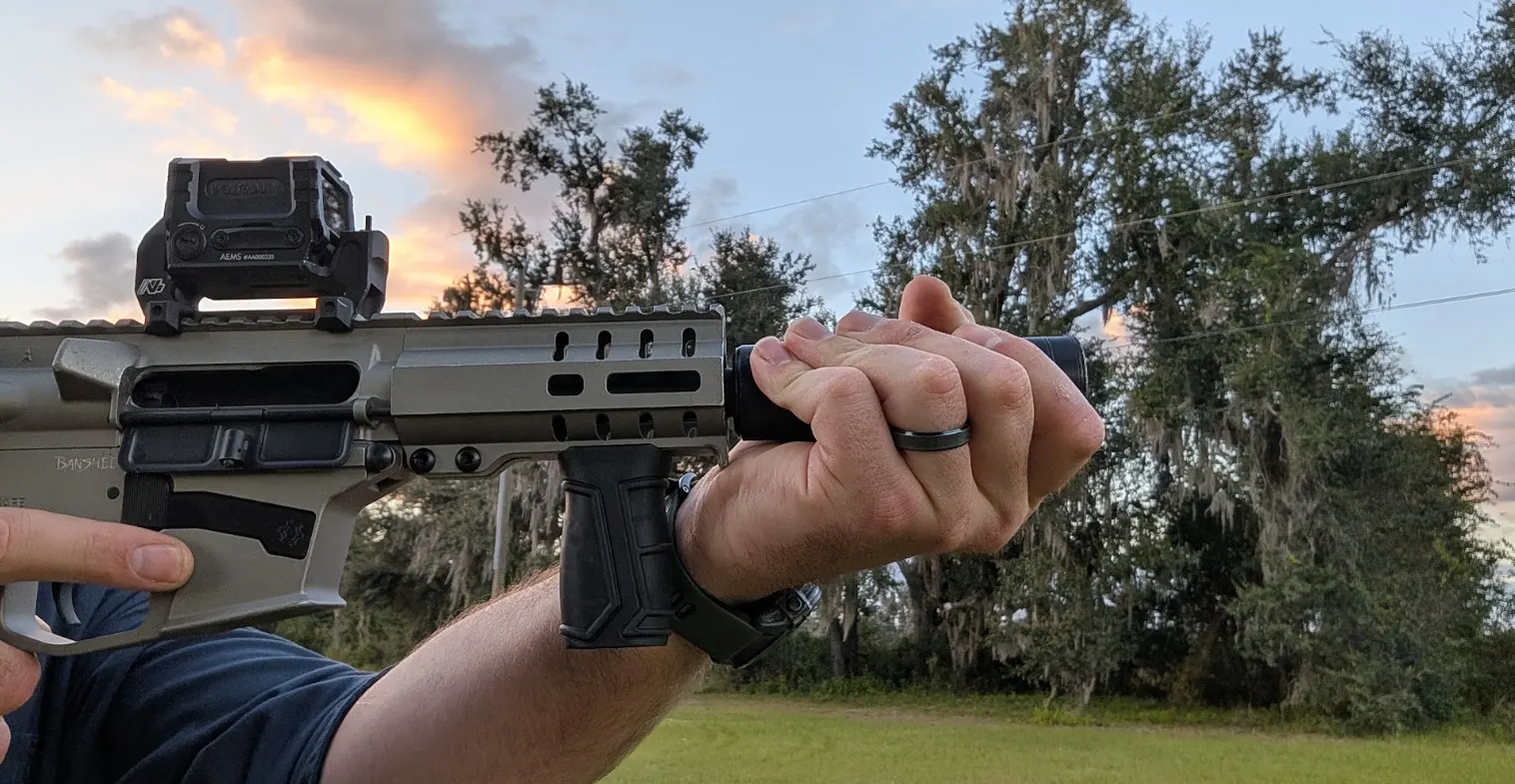
Yes, a direct thread suppressor that isn’t watched carefully can come loose during firing. When I use direct thread cans I tend to give the can a quick feel test (with a gloved hand or wrapped suppressor) between magazines to make sure it’s still nice and tight on the gun.
This might have you asking, why does this happen? A lot of things happen when you’re shooting a firearm that you might never even notice. Every time you press that trigger, your gun experiences barrel whip and vibration, and it gets a little warmer, leading to metal expansion.
Your suppressor mount and barrel are heating up at different rates due to potentially different materials and thickness of the steel. This means that the suppressor mount likely expands more and faster than the barrel.
At the same time, high-pressure gas crashes into the baffles of your suppressor, pushing it forward. Your suppressor is heating up, your barrel is heating up, both are vibrating, being whipped around, and one’s fighting a forward push with every shot.
When these mix together the friction that holds the thread tight against the barrel shoulder breaks. It slips, and keeps slipping, slowly backing off the threads.
Preventing suppressor walk off isn’t all that difficult with the right routine. If you want to read a complete step by step walkthrough, check out How to Attach A Suppressor.
Here are the steps I take to prevent a direct thread suppressor from walking off my gun.
Clean the Threads
I wipe down both the barrel threads and internal mount threads. Leftover carbon can prevent the mount from sealing squarely against the barrel shoulder.
Wrench It
Hand threading is fine for light sessions, but when I go to a PCC match I give the suppressor a snug turn with the SilencerCo spanner wrench to get things a little tighter. Ensure you follow all specific suppressor manufacturer’s installation and instructions before grabbing the wrench.
Re-Check the Tension
Metal expands once it gets hot, and I tend to give the can a feel test (with appropriate PPE) to make sure it remains tight. I generally check it again once per magazine to make sure it’s still snug.
Can You Convert Direct Thread to QD?
Let’s say you started with a direct thread backplate and now you’ve got more than one gun you want to suppress, and you want to go QD. You can’t convert a direct thread backplate to QD, but you can remove the backplate entirely on most SilencerCo suppressors and replace it with a QD rear mount.
Which mounting system? It depends on a few factors, so make sure you check out our guide to SilencerCo Mounting Systems.
Quick Detach vs. Direct Thread FAQ
What is a direct thread suppressor?
A direct thread suppressor is a silencer that features internal threads at its rear, designed to mount directly to the threads of your barrel.
How do you direct thread a suppressor?
First, follow all safety rules. Unload the firearm and visually and physically inspect the chamber. Remove the thread protector, muzzle device, and any crush washers. Thread the suppressor in the proper direction, which is most commonly clockwise, until it sits snugly against the barrel shoulder. For a complete guide, check How to Attach a Suppressor.
What is a quick detach suppressor?
A quick detach suppressor attaches in two parts: a compatible muzzle device stays on the barrel, and a mount on the back of the can locks onto it. Twist the can into place, close the locking ring, and you’re ready to shoot in a few seconds.
Is quick detach or direct thread better?
It depends on how many guns you plan to suppress. Direct thread is lighter, shorter, and cheaper, which suits a can that lives on one gun. Quick detach adds weight, length, and cost, but it makes moving one suppressor between several guns fast and easy.
Final Takeaway
It’s easy to feel overwhelmed by the suppressor world, but it’s not overly complicated. If you’re unsure of which method you should pursue, I’d advise you to start looking at how many guns you plan to suppress.
If you’re only suppressing one gun for hunting or home defense, then stick with direct thread first. This saves you a little money, and keeps the gun a little shorter and a little lighter.
On the flip side, if you have a collection of firearms you’d like to see suppressed then dive into a QD system. You’ll love the simplicity of being able to swap your suppressor around with absolute ease.
Most SilencerCo suppressors use modular mounts, so in most cases you can start with direct thread and swap to QD and vice versa should you ever need to. The joy of modern cans is that you’re rarely stuck with one setup.
Before your first suppressed range trip, check out 5 Things I Learned With My First Suppressor so you know what to expect once you cook off that first round.
Travis Pike