Putting the Citadel LevTac 92 to the test. From “Hollywood quiet” suppressed .38s to “spicy” .357 Magnums, here’s how this modern lever gun handles.
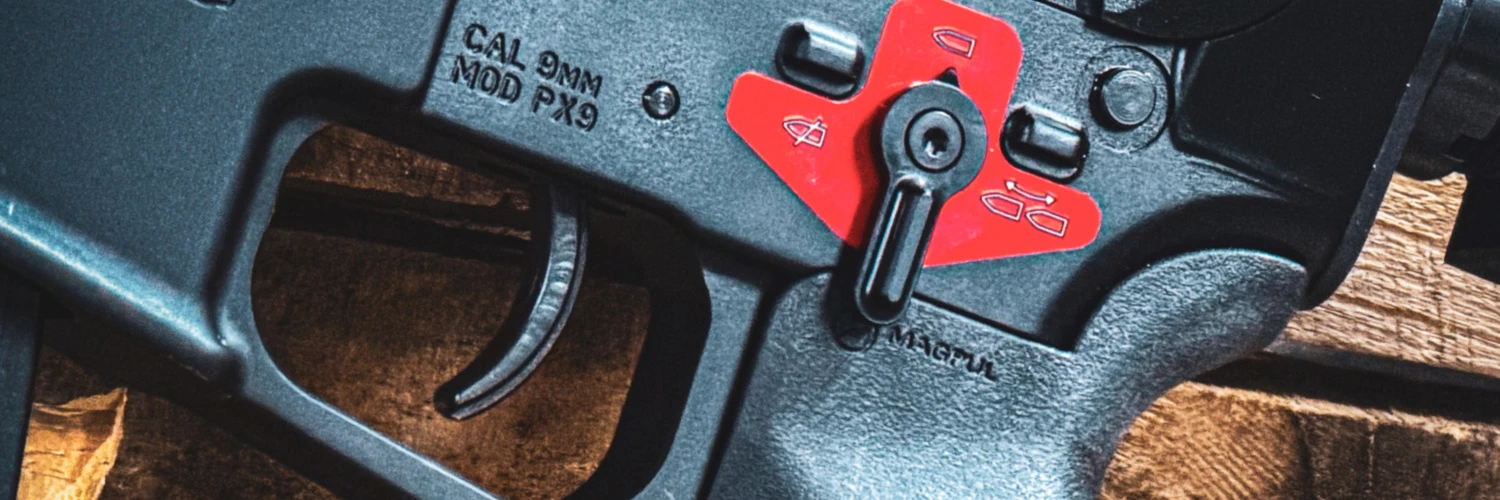
Why would Ruger make a GLOCK clone? The gun part of the Ruger RXM, that’s Ruger. The plastics, though, are Magpul. And the combination is worth a closer look.
Confused by suppressor mounts? Learn SilencerCo mount sizes, ASR, direct thread, 3-lug, and piston systems—what they do, how they work, and which one you need.
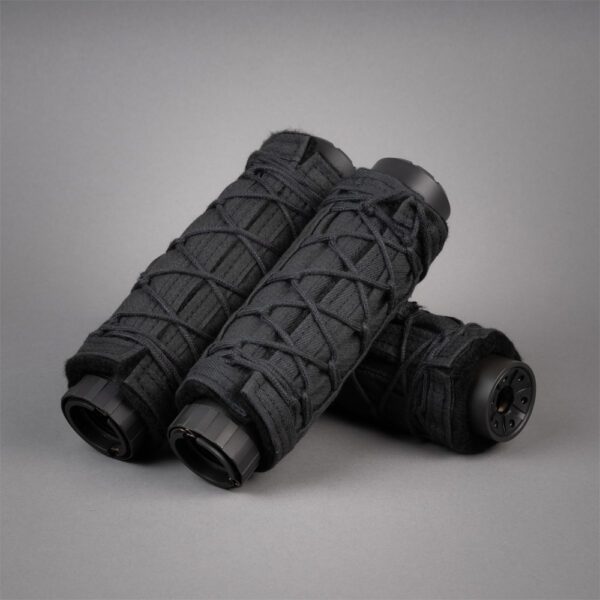
You read that right! A Safariland suppressor holster is in the works. Here’s an early look ‘under the hood.’
Legal firearms owners are bound by certain laws and regulations, and it falls to ATF to enforce them. Here’s what you need to know.
Here’s the breakdown on how to mount your new silencer, from checking barrel threads to finding the right mounting system.
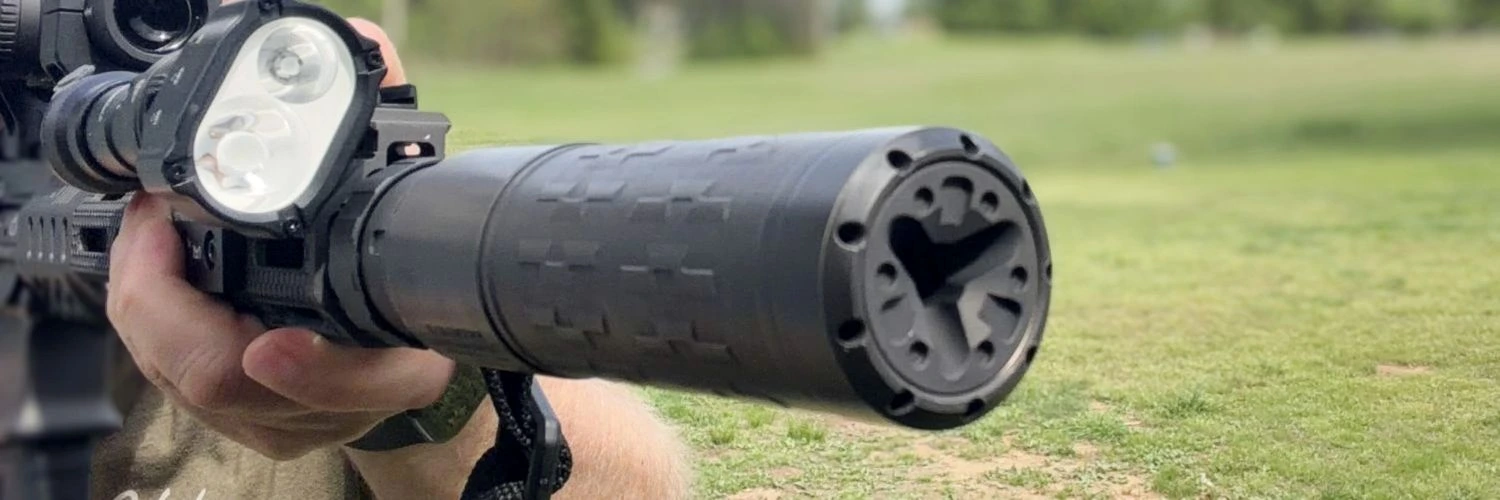
The best way to cut the noise of a new gun is adding the right suppressor—and SilencerCo has the answer.
Suppressed home defense handguns offer serious advantages. Reduced sound signature and muzzle blast are critical benefits in a tight home protection scenario.
Incremental changes between GLOCK generations has been standard procedure over the last 40 years, but if Gen6 is any indication, that era is officially over.
To legally obtain a silencer, Americans must complete the steps required by the NFA. This is the history behind the process and what to expect when you buy a silencer.
The ATF Form 4 process is required to legally purchase a silencer. The process is mandated by federal law and by the ATF. Let’s take a look at the process, and the wait times for approval from the ATF